Integrated Services

Expert support for acoustic projects from idea to implementation.

Our services help architects, designers and project teams turn ambitious interiors into acoustic solutions that can be planned, specified, tested and explained. Our in-house specialists support the moments when a project needs more than a standard product selection.

Computational Design

From first sketch to manufacturable acoustic system, we use computational logic to make ambitious design precise, adaptable and buildable.

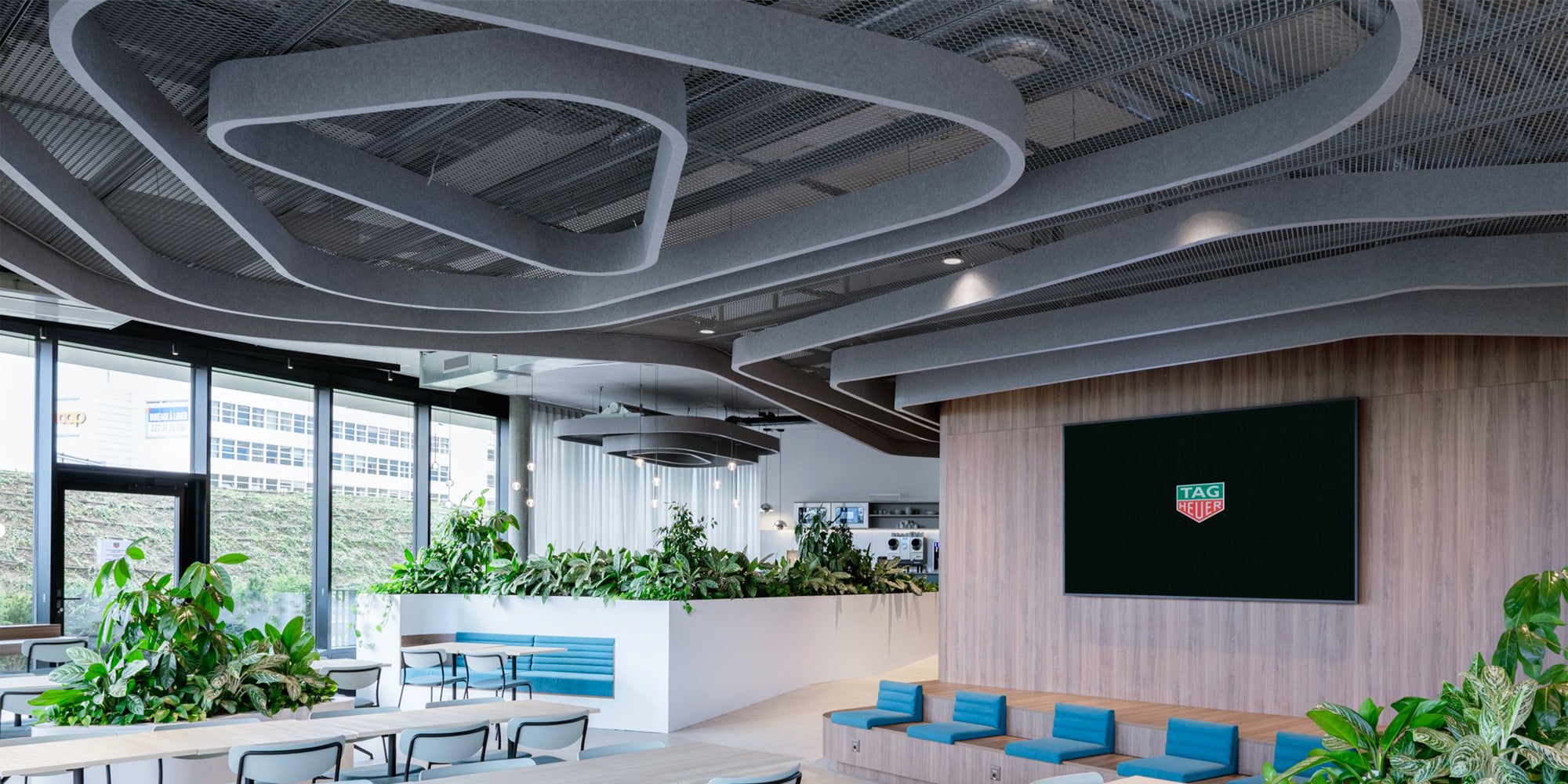
Computational Design is where architecture, acoustics and digital craft come together. Instead of treating bespoke design as a sequence of static drawings, we create intelligent systems defined by parameters: geometry, rhythm, scale, spacing, height, colour, material use, acoustic intent and manufacturing logic.

For us at Impact Acoustic, Computational Design is not a purely digital exercise. It is connected to deep material knowledge, acoustic expertise and hands-on fabrication experience. Our team develops bespoke acoustic solutions that are visually distinctive, technically precise and ready to be made.

Outcome

Depending on the project scope, Computational Design can result in parametric design studies, bespoke geometry systems, layout variations, acoustic pattern development, material optimisation, product configuration logic, fabrication-ready drawings, CNC-ready data and installation principles.
Learn more
Computational Design

Prototyping

Before a bespoke acoustic solution is specified, we can made it, test it and improve it.

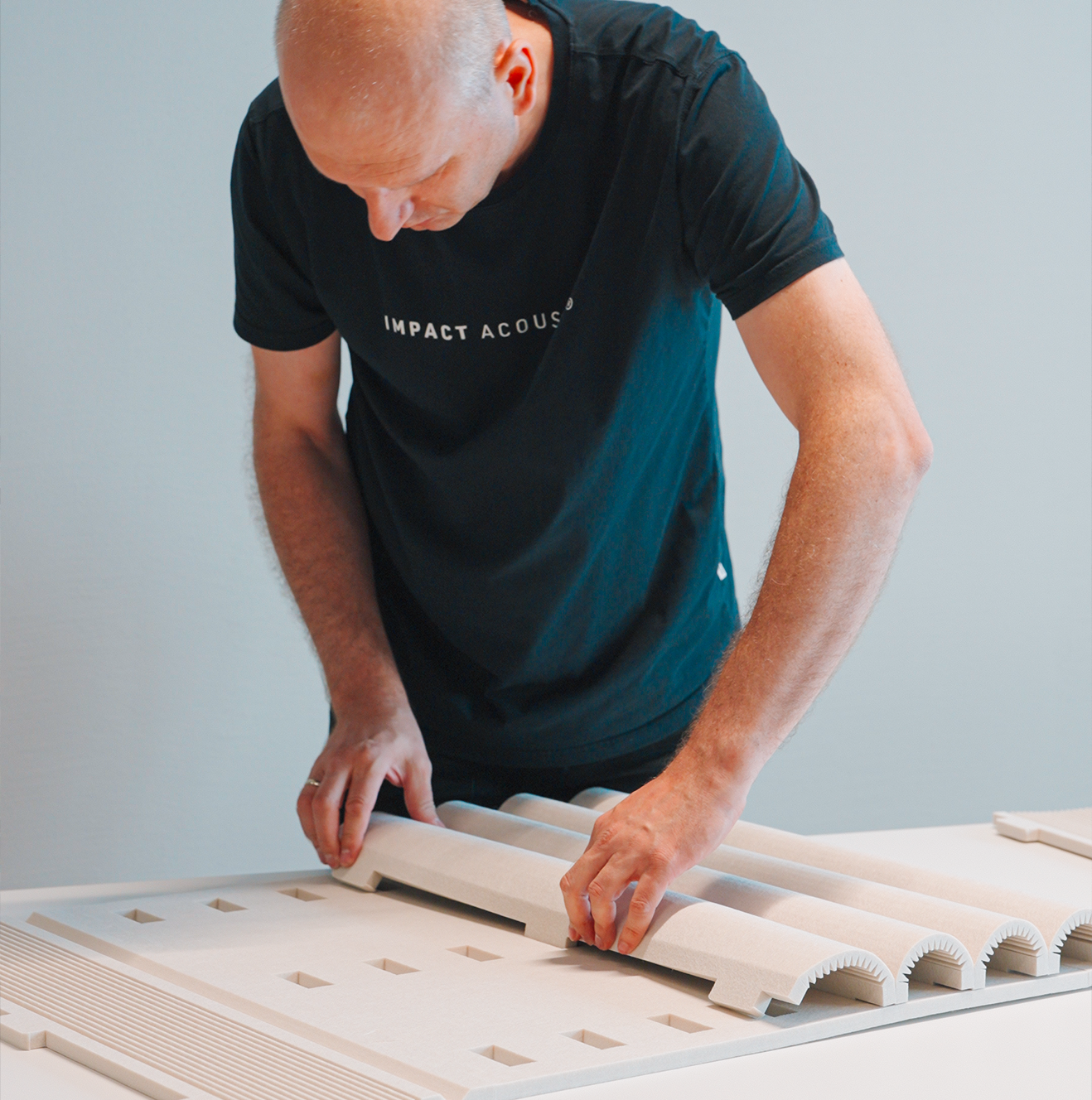
Prototyping gives design teams the confidence to move from idea to decision. At the Impact LAB, we combine high-precision cutting centres, material expertise, application engineering and product design know-how to transform sketches, models and project questions into physical acoustic prototypes.

Our role is not simply to manufacture a sample. We act as an extension of your design team, challenging details, testing alternatives and refining the solution until it is ready to move forward. From one-off mock-ups to iterative fabrication trials, Prototyping helps reduce uncertainty and accelerate better decisions.

Outcome

Depending on the project stage, Prototyping can result in physical mock-ups, scale models, material studies, colour studies, pattern trials, fixing samples, edge details, fabrication tests, installation studies or pre-production prototypes.

Learn more
Prototyping

Acoustic Advisory

We translate acoustic complexity into clear, practical design decisions for spaces that need to sound as good as they look.

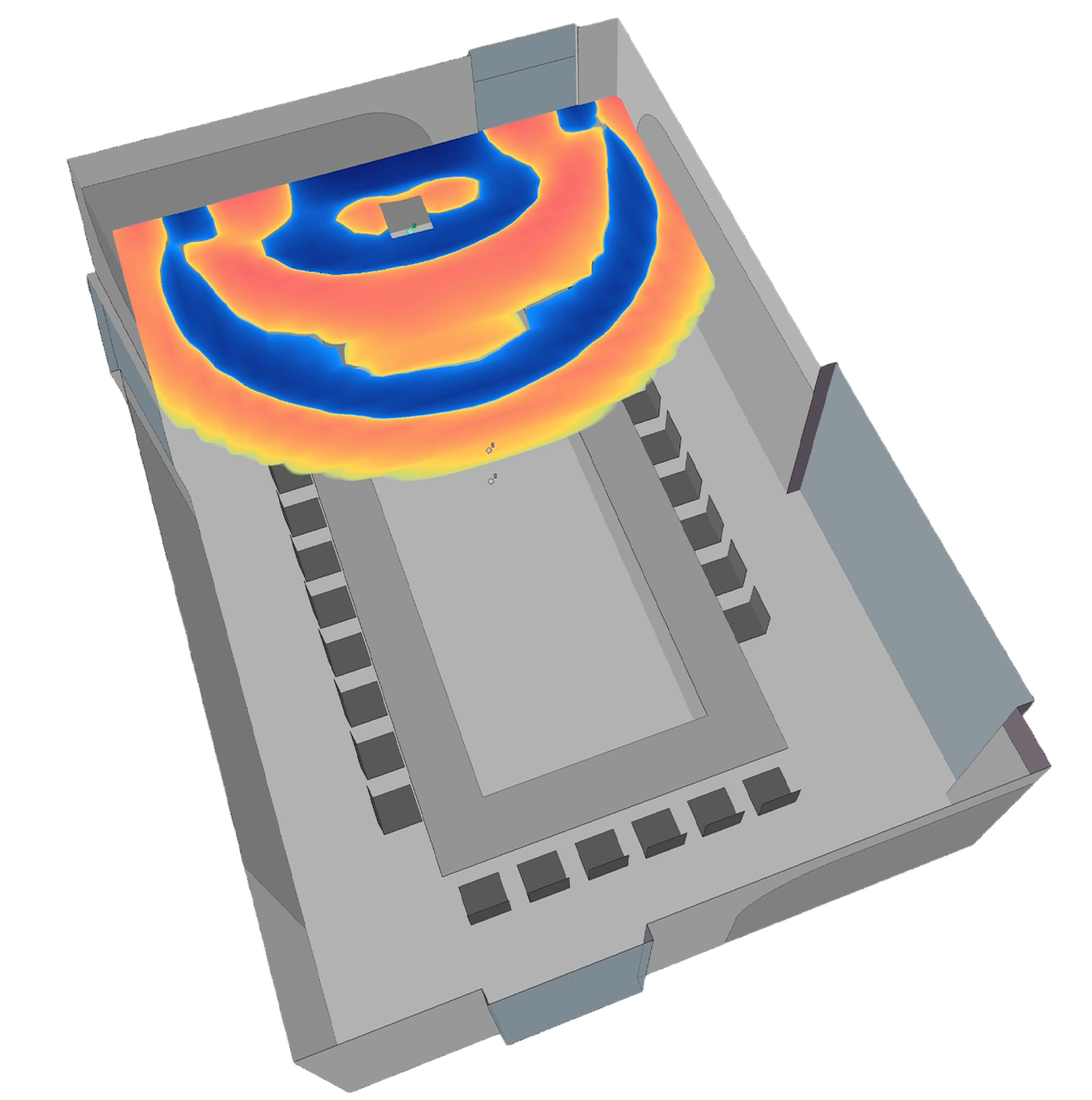
Acoustic comfort is no longer a technical afterthought. It is a decisive part of how people work, learn, meet, recover, focus and feel in a space. We help project teams understand the sound conditions of a room and define the right acoustic response.

Our in house specialists assess the room type, surfaces, volume, occupancy, activity, speech needs and acoustic challenges. We then recommend a strategy that can include product type, quantity, placement, material direction, design integration and performance priorities. The aim is not simply to add more products, but to create a balanced sound environment that supports the purpose of the space.

Outcome

Acoustic comfort influences how people work, meet, learn, recover and focus. Our specialists assess your room, identify the acoustic challenge and translate complexity into a clear design strategy: what to use, how much to use and where to place it.

Learn more
Acoustic Advisory

Light Calculation

We combine light and acoustics so spaces can look better, feel better and perform with greater precision.

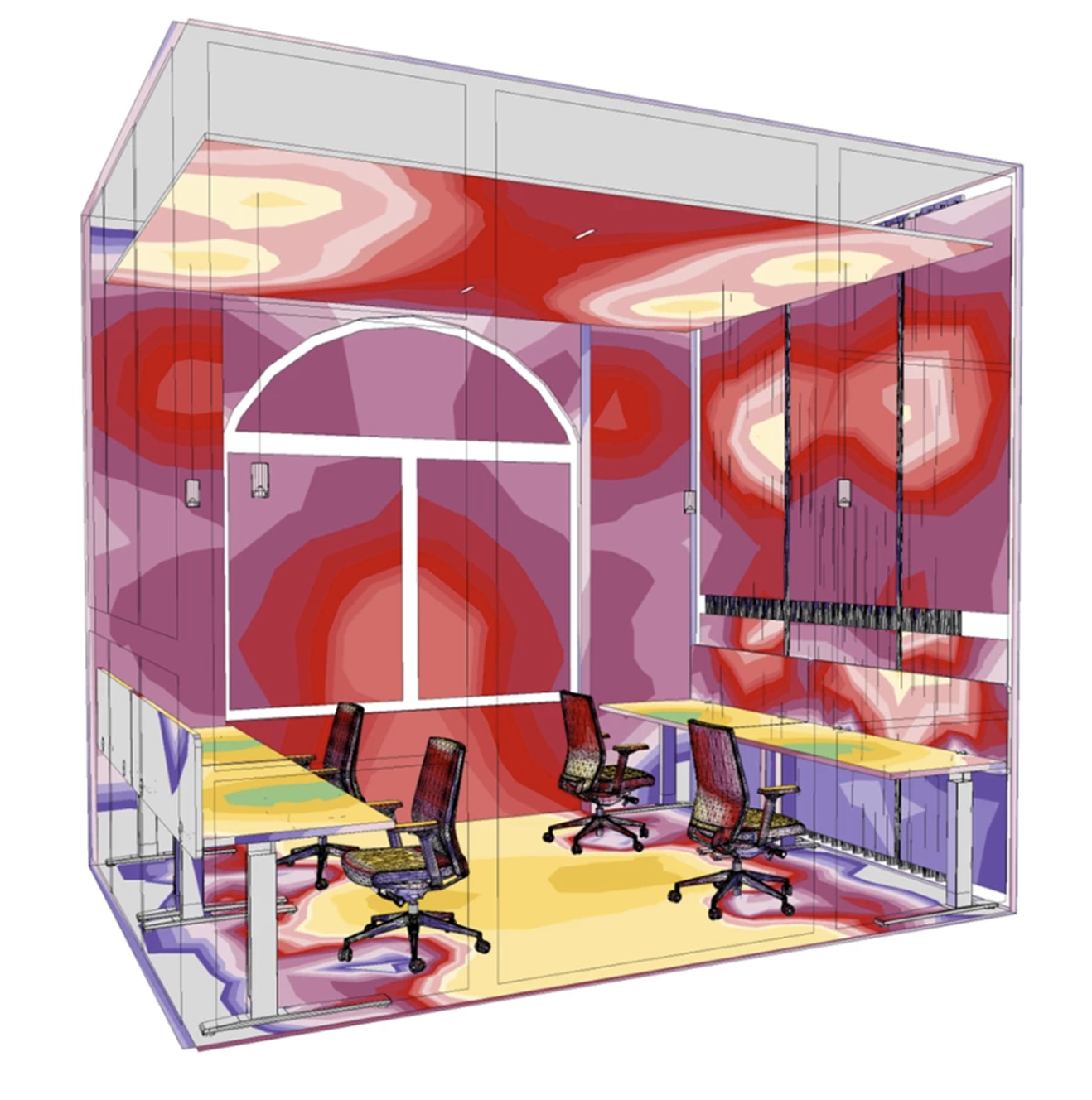
Lighting and acoustics shape how a room is perceived, used and experienced. A workplace can feel focused or fatiguing. A meeting room can support clarity or distraction. A retail environment can invite attention or create visual noise. We help project teams plan illumination with the same care given to acoustic comfort.

We review the room, lighting intent, product selection, ceiling conditions and acoustic strategy to calculate how light will behave in the finished space. This can include luminaire distribution, illumination levels, uniformity, glare considerations, task areas, circulation zones, product placement and the relationship between acoustic surfaces and lighting elements.

Outcome

Depending on the project scope, Light Calculation can result in lighting performance feedback, layout recommendations, illumination studies, product placement guidance, coordination notes, visual comfort considerations and planning support for acoustic lighting solutions.

Learn more
Light Calculation