Room Dividers: Acoustic Privacy Without Permanent Walls
Open spaces need flexibility, but they also need focus. Room Dividers made from PET felt create clear zones, reduce sound build-up and support privacy without closing a room down.
A room divider addresses the issue at two levels. It gives the space a visual boundary and introduces an absorptive surface between the noise source and the listener. The result is a quieter, more deliberate environment that remains adaptable.
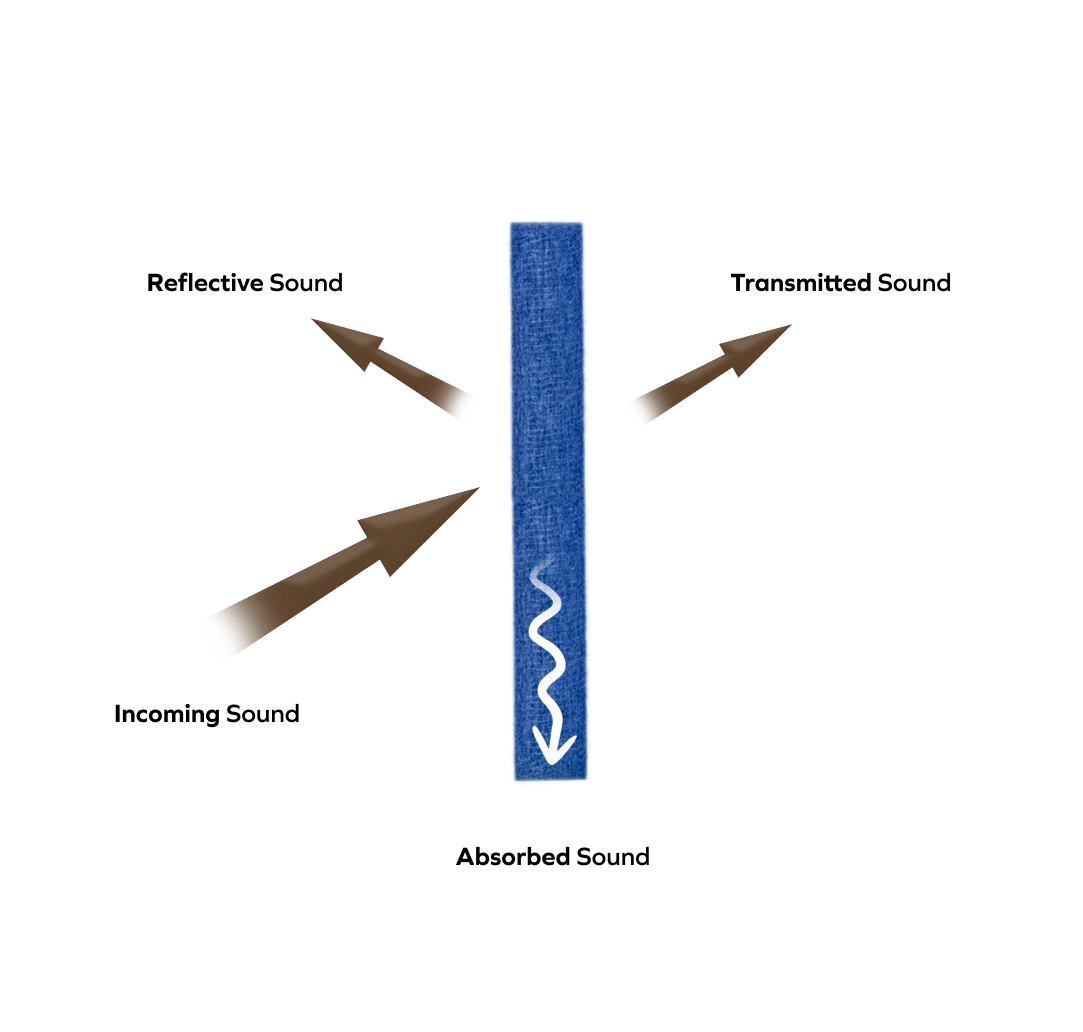
Impact Acoustic's Room Dividers are made from recycled PET felt derived from plastic bottles. When sound waves reach the felt surface, part of the acoustic energy is absorbed and converted into a very small amount of heat. This reduces reflections within the space and helps to dampen sound before it travels further.
The dividers are not intended to create complete acoustic isolation. Their strength lies in reducing perceived noise and improving privacy in areas where permanent construction would be too rigid, costly or visually heavy.
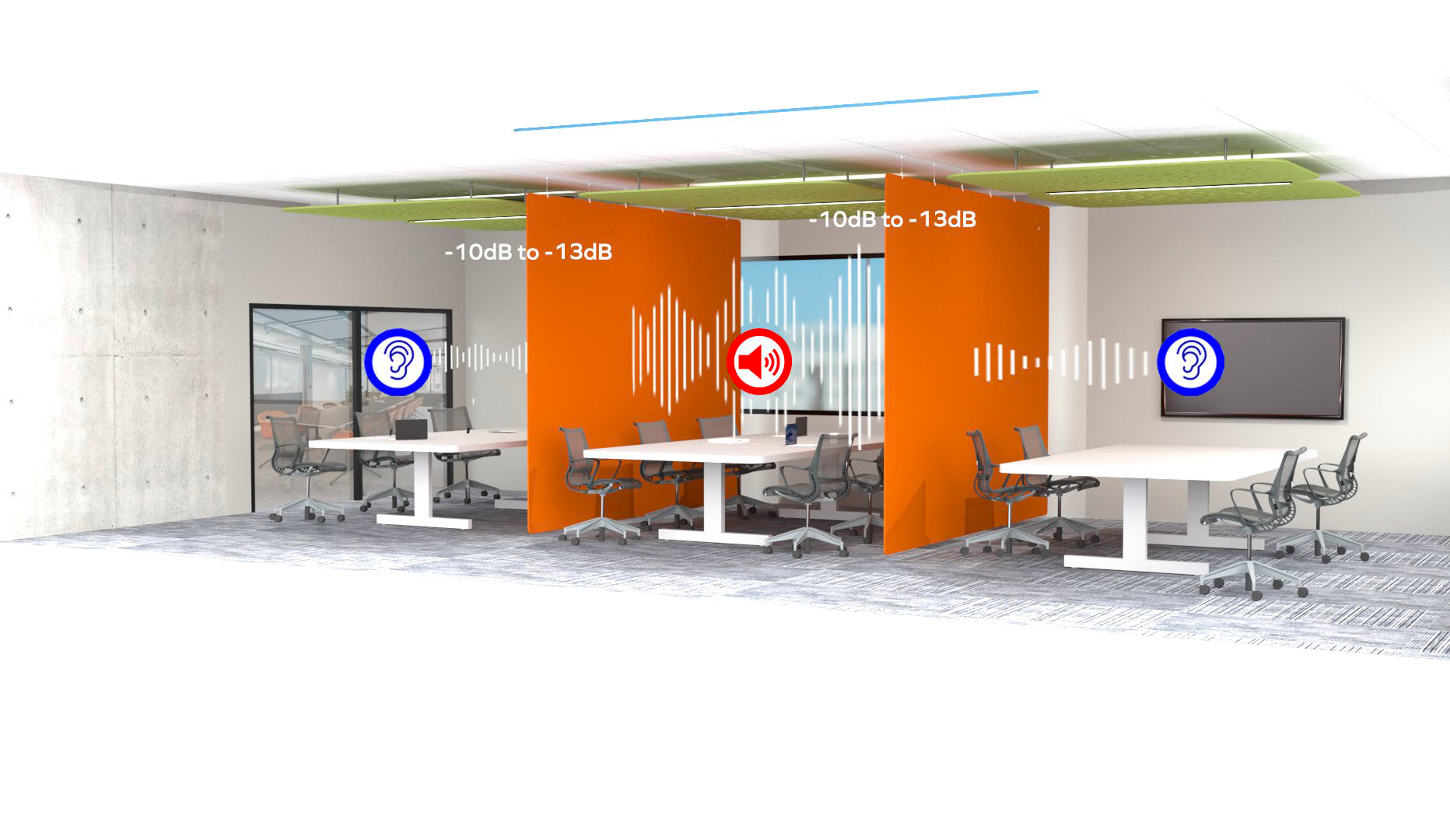
In open offices, conversations and workstation calls can reach approximately 60 dB and become audible far beyond the immediate work area. In the documented room-divider scenario, perceived noise levels can be reduced by around 10 dB at distances up to 3 metres and by approximately 10-13 dB at around 5 metres.
Actual results depend on the existing room finishes, the shape of the space, the installation method and the position of the dividers. Used strategically, they create quieter zones for focused work, private conversations and learning.
Because every room behaves differently, acoustic privacy needs to be assessed in context. Through our Acoustic Advisory service, our in-house acoustic specialists review the room, its use and acoustic requirements, translating them into a clear strategy for the type, quantity and placement of acoustic treatment.
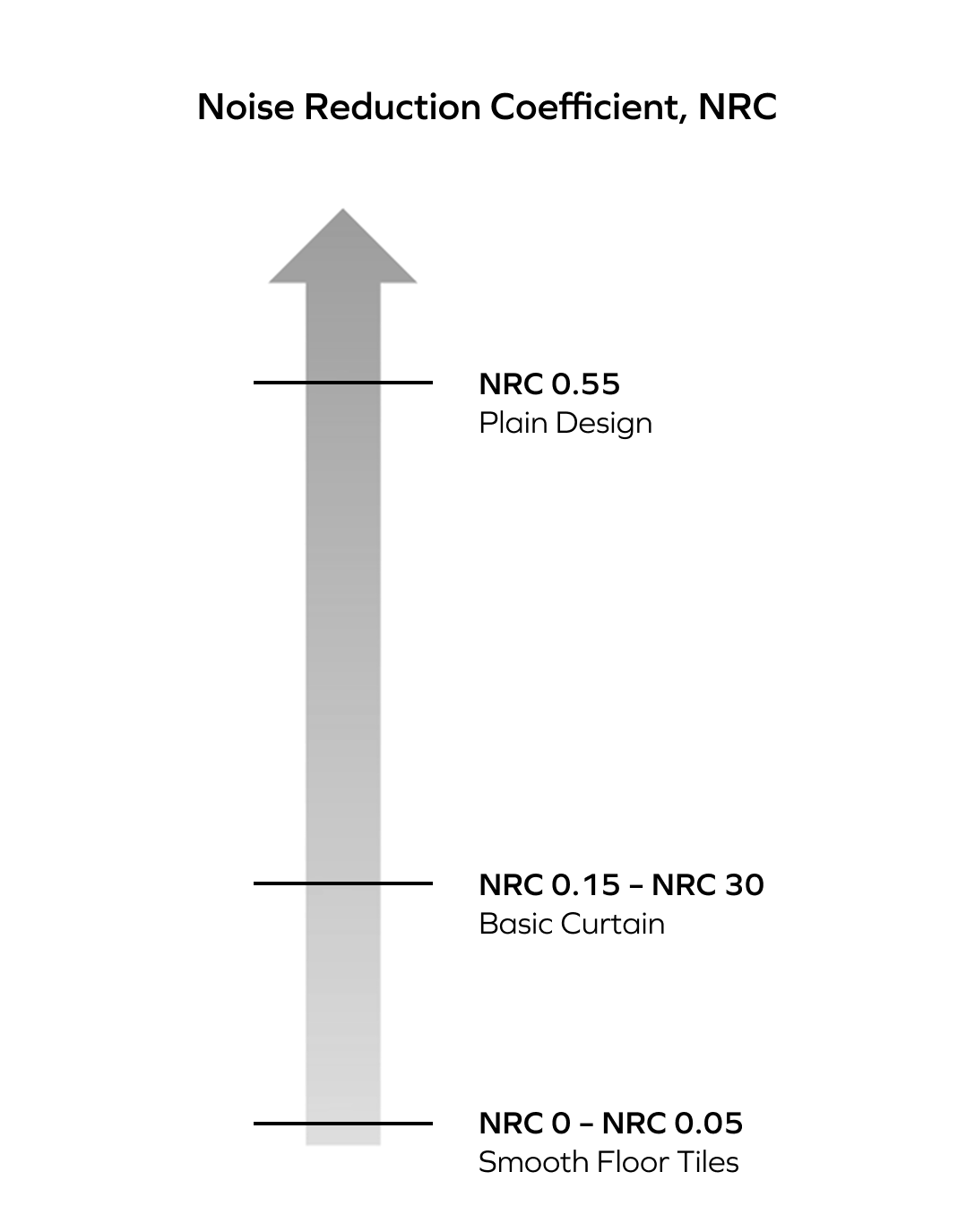
Room dividers also add absorption within the room itself. The documented Plain Room Divider delivers αw 0.55(H), NRC 0.55 and SAA 0.57, making it particularly relevant for speech-heavy spaces such as offices, meeting areas and education environments.
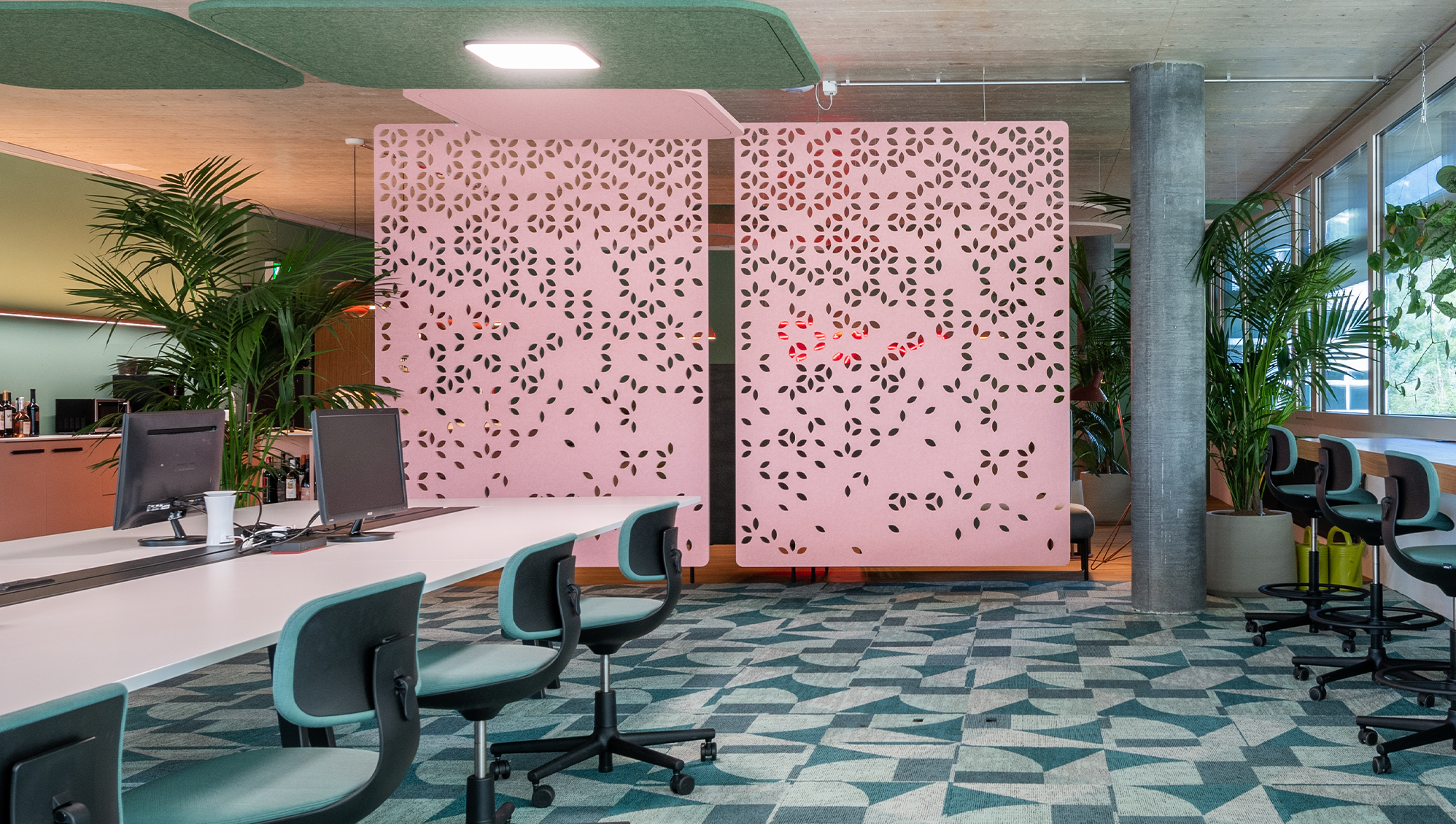
The benefit is not only acoustic. The felt surface introduces colour, texture and rhythm, turning functional zoning into a design element rather than an afterthought.
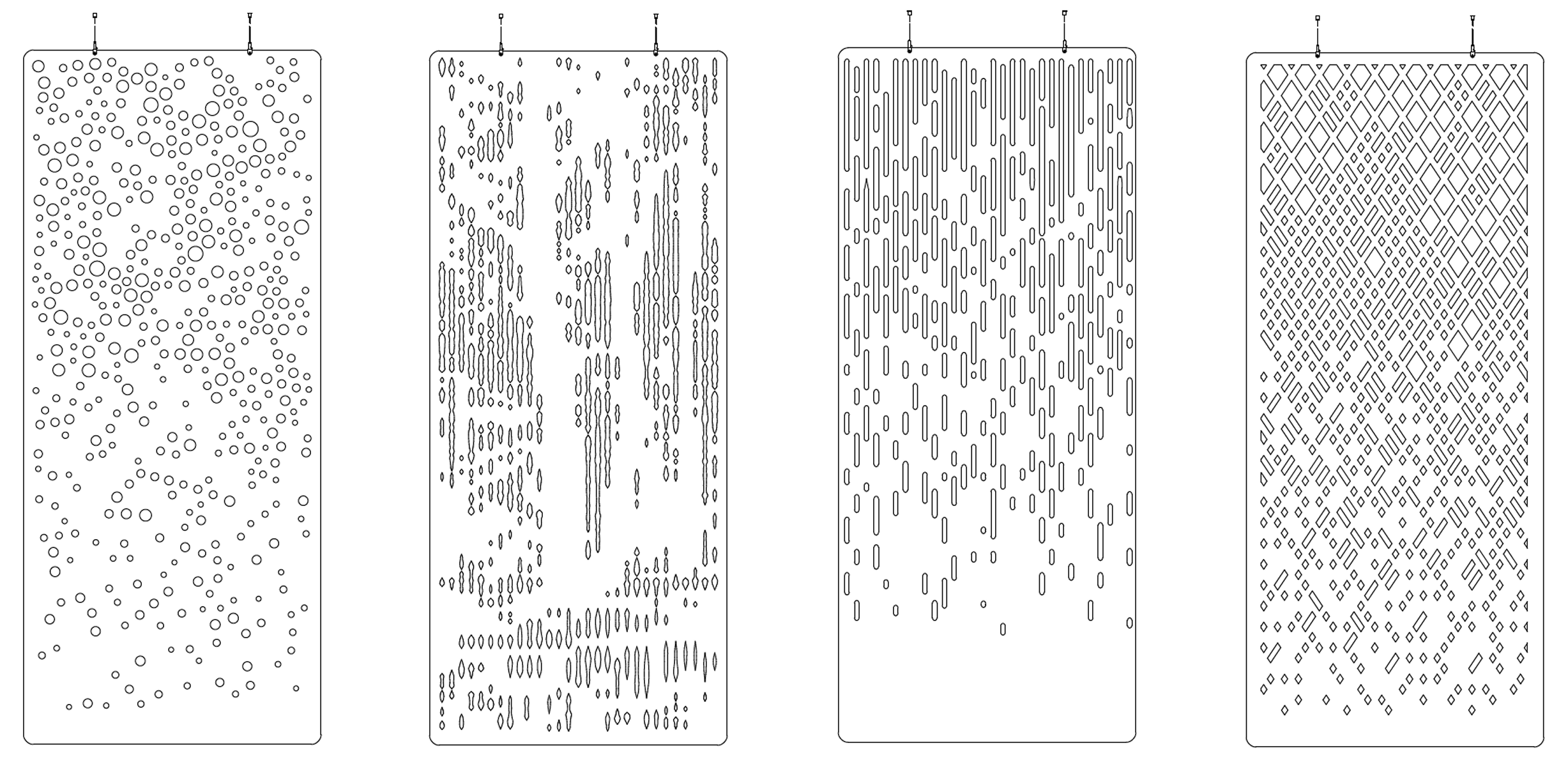
Pattern cut-outs can be customised while maintaining acoustic purpose. The referenced designs use perforations across less than 23% of the total panel surface, limiting the reduction of the material’s absorption performance. A suspension kit also makes the system suitable for temporary or changing layouts.
For project teams, this creates a practical balance: a divider can define zones, support privacy, contribute to absorption and still respond to the visual language of the interior.