Acoustic Detail Inside a Living Laboratory
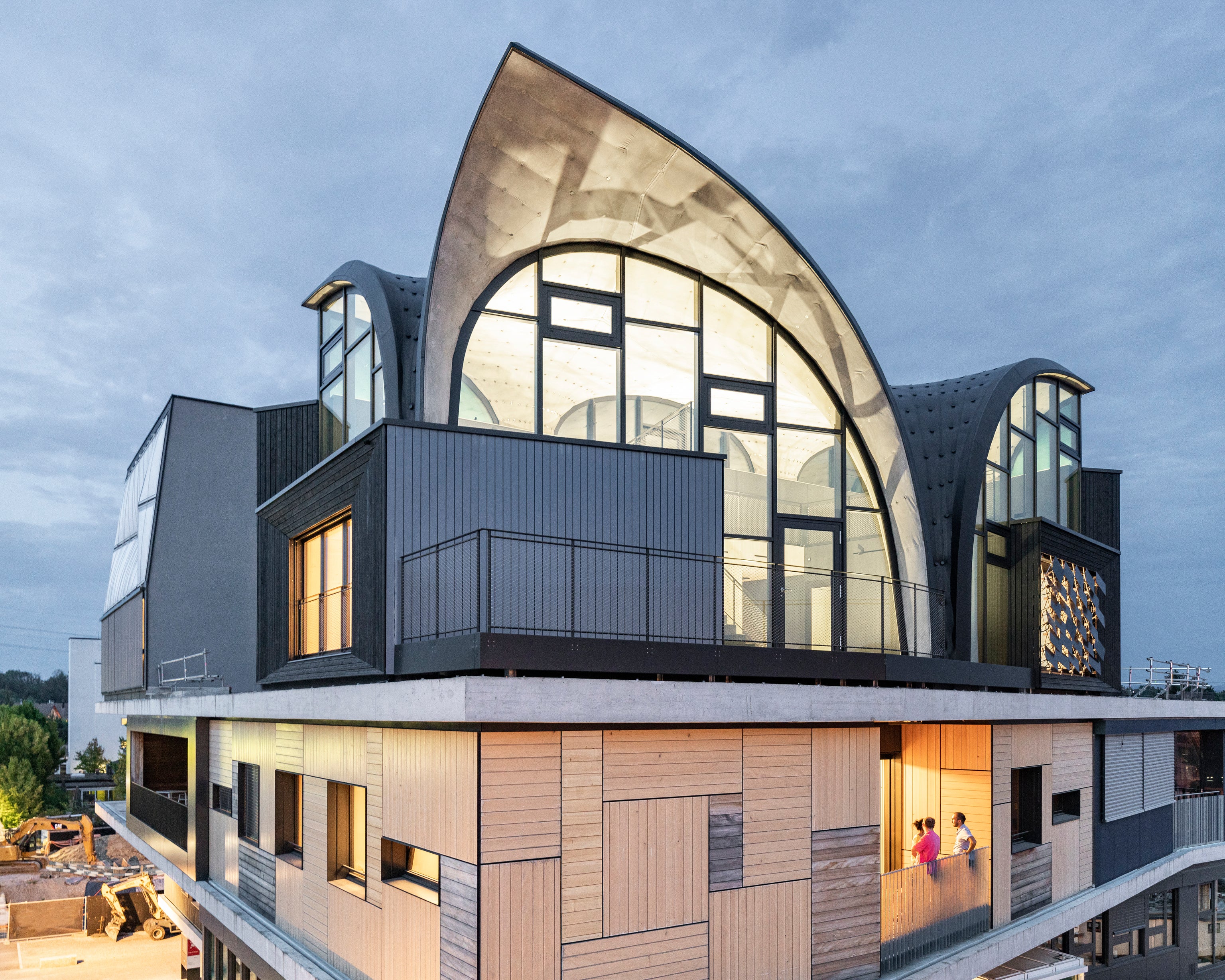
At Empa's HiLo research unit in Dübendorf, precisely cut Vertigo Wall Coverings add everyday acoustic comfort without concealing the experimental structure and services around them.
That dual role matters for the interior. The roof, adaptive facade and exposed systems make the space visibly experimental, but daily work still requires concentration, speech clarity and surfaces that help the room feel calm.
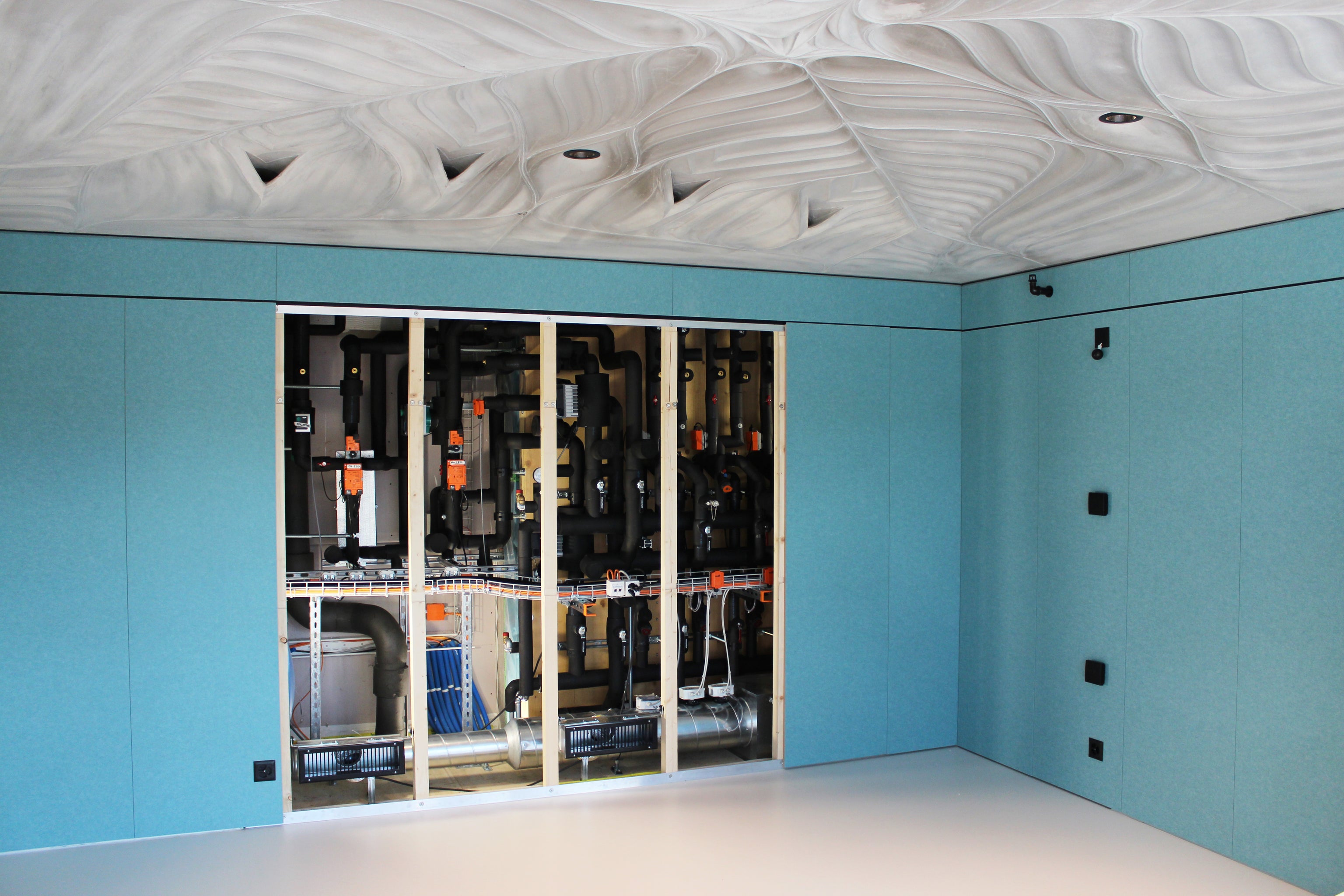
Living laboratories often keep their technical layers visible so systems can be monitored, adjusted and understood. This openness is valuable for research, but it can create acoustically demanding interiors when hard surfaces and services remain exposed.
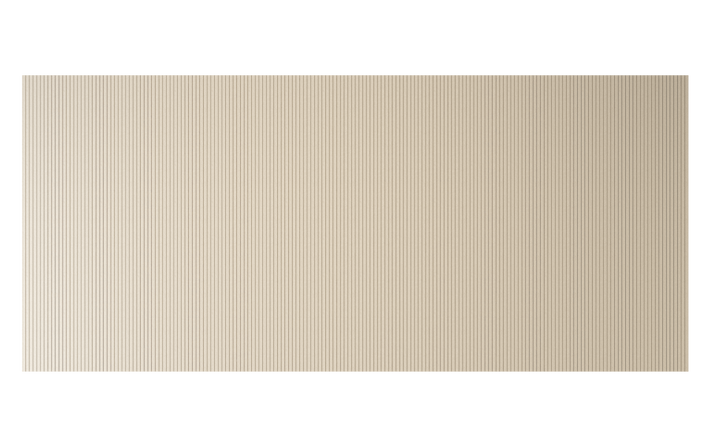
Vertigo Fine and Plain Wall Coverings bring a compatible response. Their vertical relief adds depth, shadow and absorption to the wall without competing with the expressive roof and building-services components around it. The surface is calm enough to support the space, but structured enough to belong there.
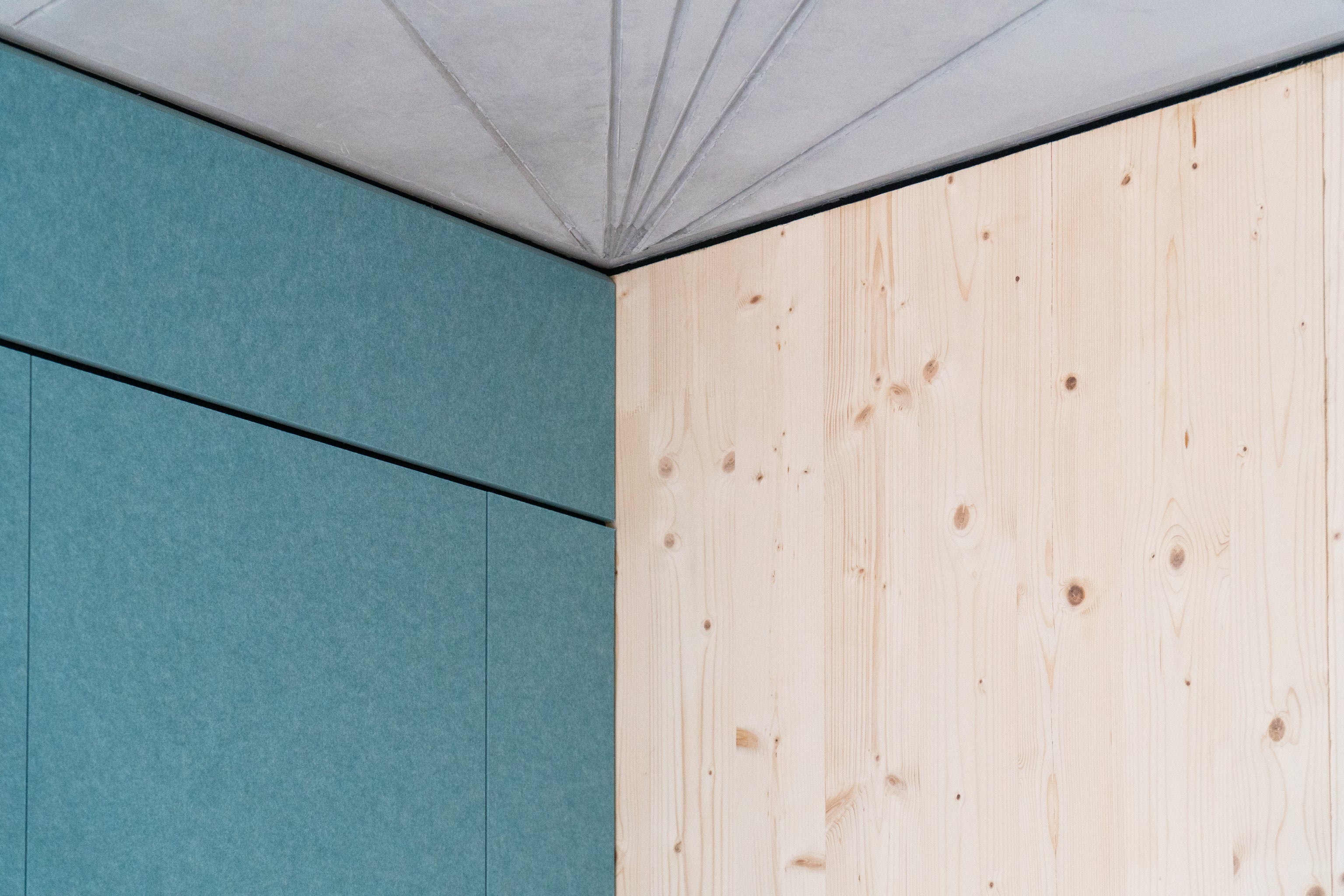
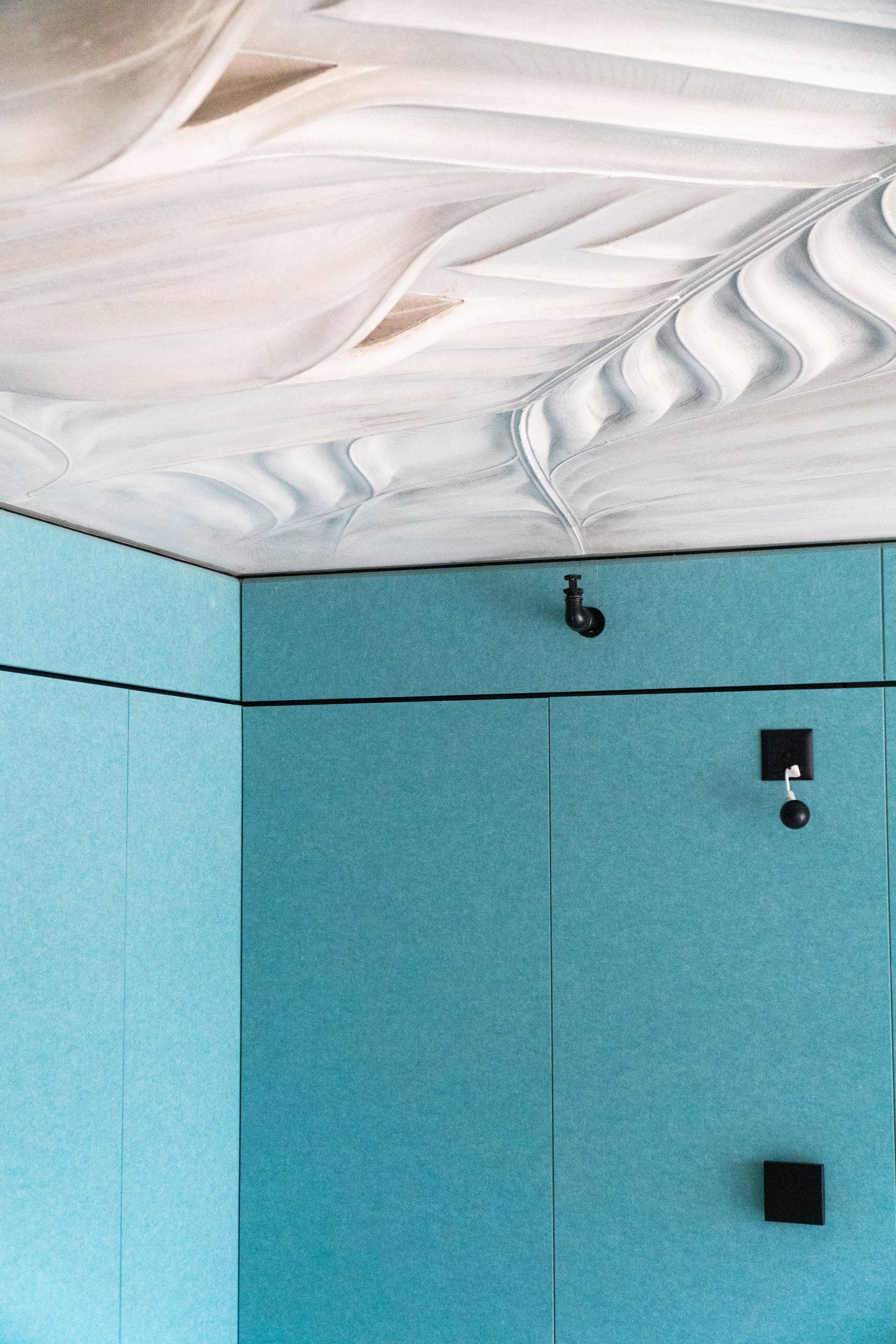
ARCHISONIC® Felt is lightweight, made from 60% certified recycled PET and suitable for precise cutting. At HiLo, these properties make it possible to improve comfort without adding a heavy secondary construction or concealing the systems the project is meant to test.
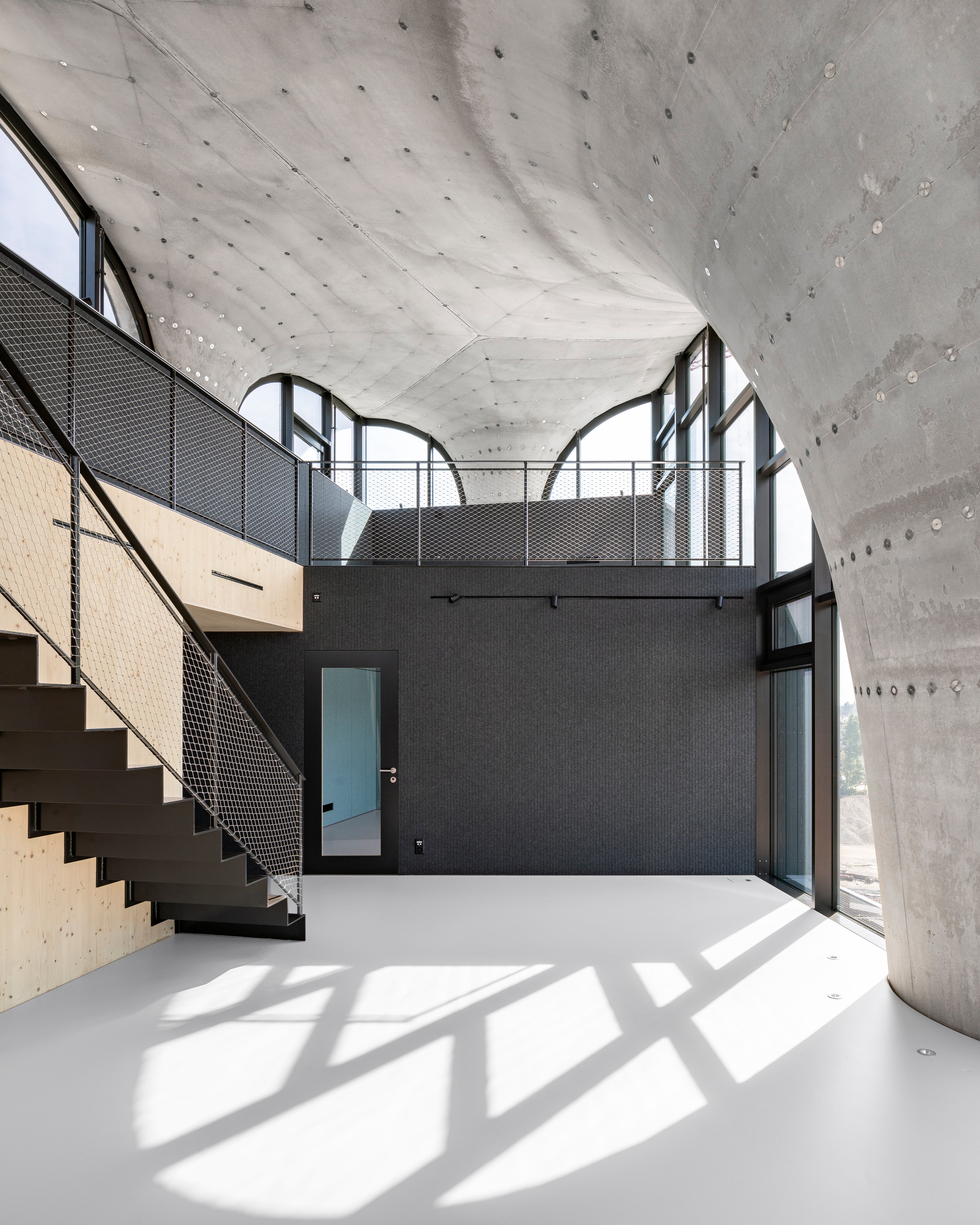
The panels were produced with exact openings for switches, outlets and other service elements. This allows the acoustic surface to remain coherent while the technical layer stays visible and accessible.
That is more than a neat detail. In a research unit, services cannot simply disappear behind a finish. They may need to be reached, replaced or studied. The acoustic treatment therefore adapts to the building's experimental character rather than asking the building to behave like a conventional office.
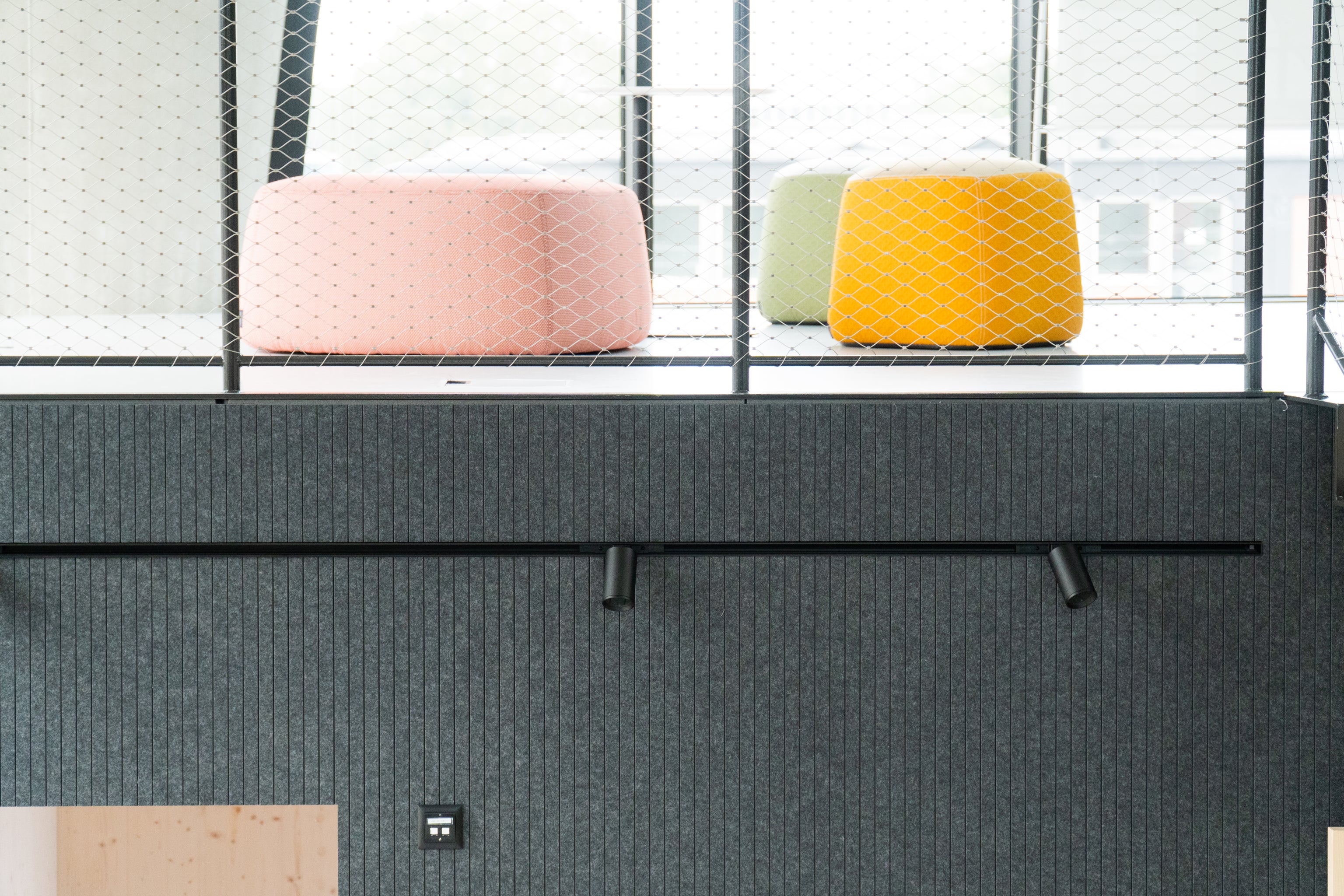
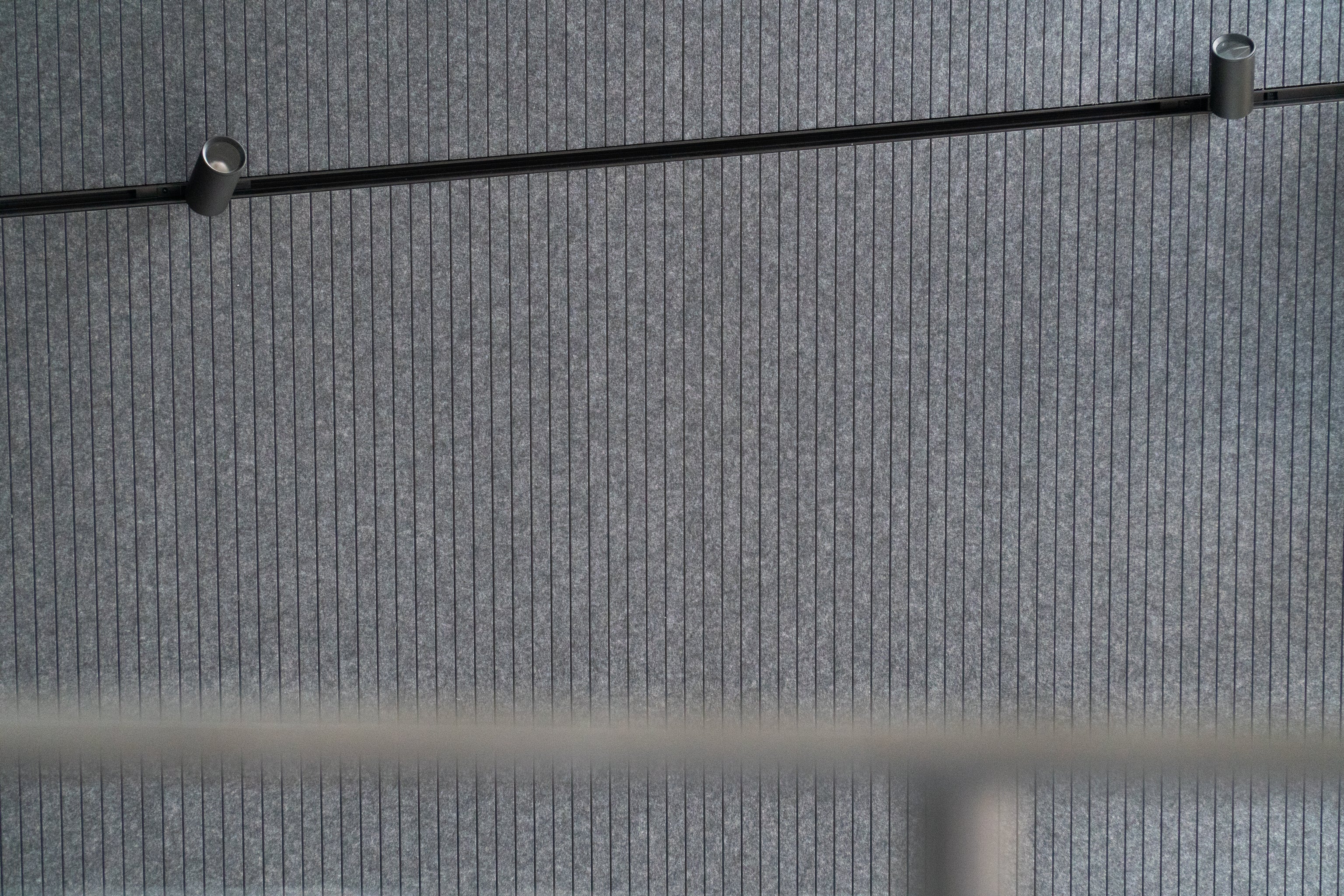
The story of HiLo is often told through structure and technology. The Impact Acoustic installation adds a quieter lesson: resource-aware buildings also depend on interior elements that are adaptable, accurate and able to make experimental spaces work for everyday use.
Location: Empa NEST, Dübendorf
Architecture: ROK Architects, Michael Knauß
Photography: Roman Keller and Felix Kühni